
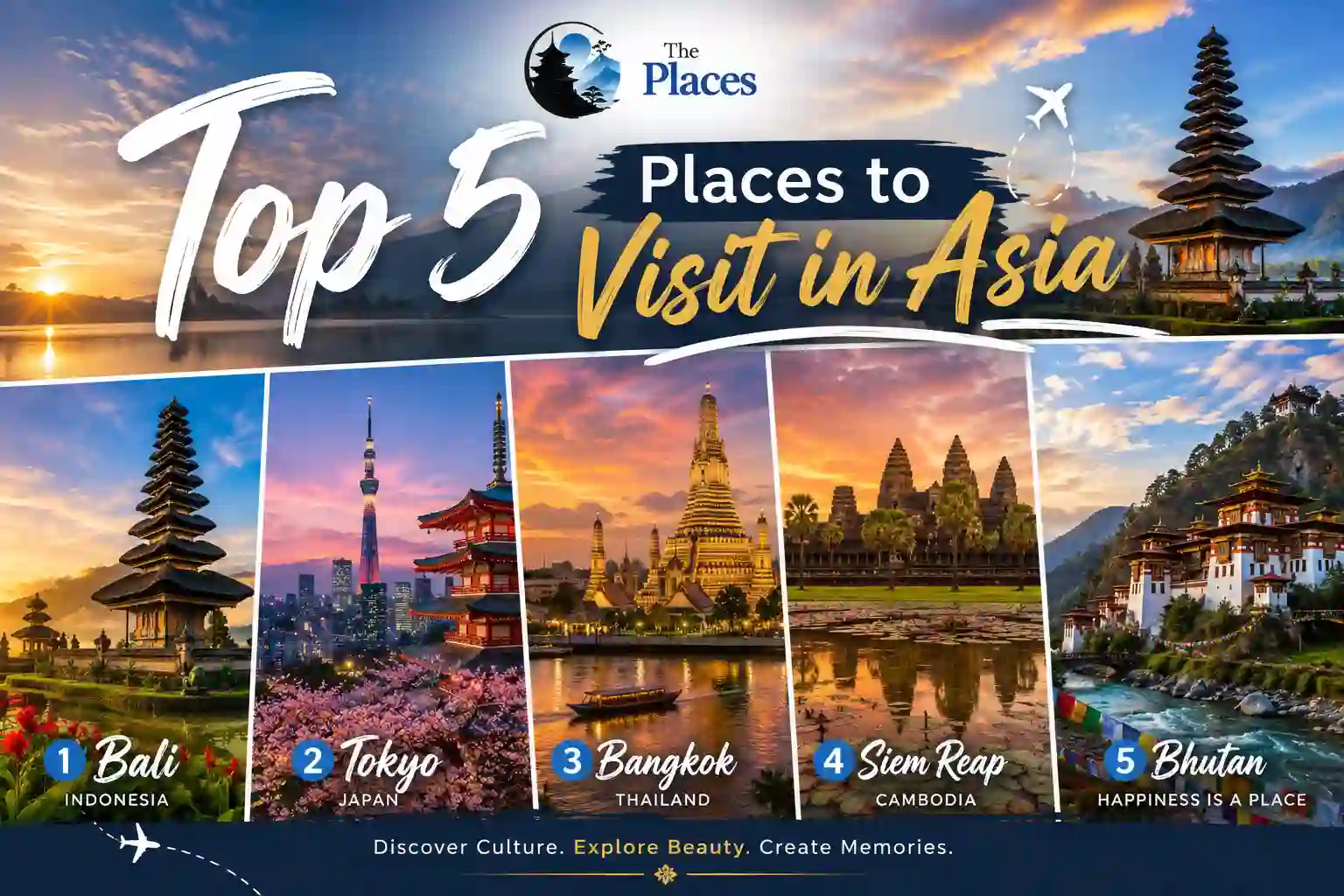
Asia is the world’s largest and most diverse continent, stretching from the beaches of Southeast Asia to the mountains of the Himalayas and the neon skylines of East Asia. With so much ground to cover, narrowing down a first trip (or even a fifth) can be overwhelming. This guide picks five destinations that consistently top global travel rankings, each offering a distinct kind of experience, whether that’s ancient temples, futuristic cities, or untouched mountain culture.
Why Asia Deserves a Spot on Every Travel List
- Unmatched diversity: Few continents let you go from tropical beaches to snow-capped peaks to megacities within a single region.
- Value for money: Much of Asia remains significantly more affordable than Europe or North America, especially for food, local transport, and accommodation.
- Rich cultural depth: From Buddhist temples to Shinto shrines to centuries-old royal palaces, the continent’s history is visible everywhere you look.
- Strong connectivity: Major Asian hubs like Bangkok, Singapore, and Tokyo are well connected to most of the world, making multi-country trips easy to plan.
Top 5 Places to Visit in Asia
1. Bali, Indonesia
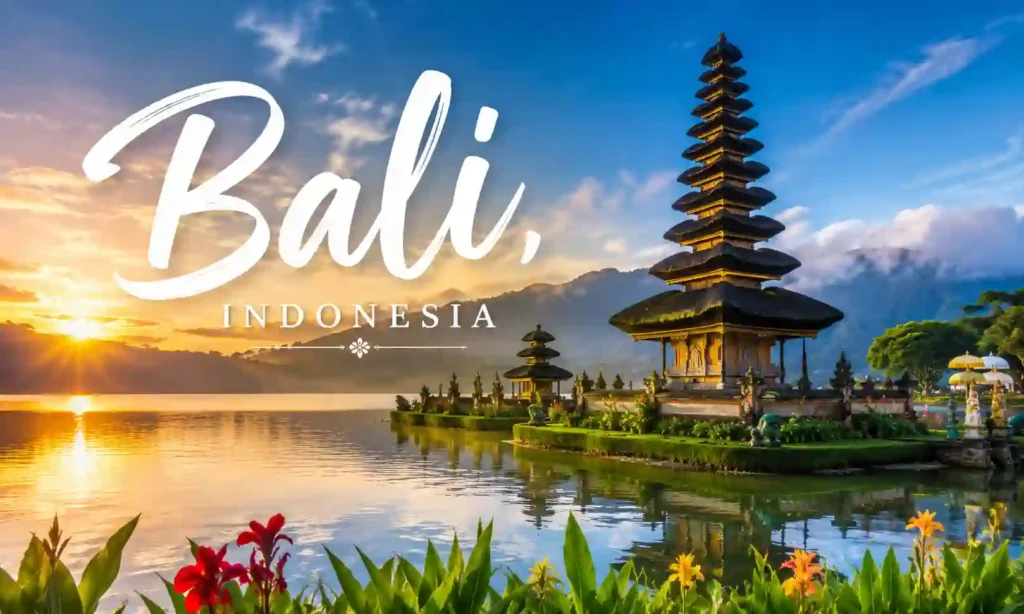
Bali consistently ranks among the world’s most-loved islands, and it’s easy to see why. It blends white sand beaches, world-class surf breaks, lush rice terraces, and a deeply spiritual culture centered on its thousands of temples.
Things to do: Watch the sunset at Tanah Lot temple, explore the rice terraces of Tegalalang, take a cultural dance class or batik workshop in Ubud, and dive or snorkel around the coral reefs near Nusa Penida.
How to reach from India: Direct flights connect major Indian cities to Denpasar (Bali’s main airport), typically taking 6 to 8 hours. Several airlines also offer one-stop connections via Singapore or Kuala Lumpur.
Best time to visit: April to October, during Bali’s dry season, offers the most reliable weather for beaches and outdoor sightseeing.
Budget: A comfortable week-long trip, including mid-range stays, local transport, food, and a few activities, typically costs Rs. 60,000 to Rs. 90,000 per person, excluding international flights.
2. Tokyo, Japan

Tokyo is a city of striking contrasts, where centuries-old shrines sit a few blocks from some of the most futuristic skylines on Earth. It’s consistently rated one of the world’s most livable and visitor-friendly cities, known for its efficiency, cleanliness, and food culture.
Things to do: Visit the historic Senso-ji Temple in Asakusa, experience the famous Shibuya Crossing, explore Akihabara for anime and electronics culture, and take a day trip to see Mount Fuji from nearby Hakone or Kawaguchiko.
How to reach from India: Direct flights operate from Delhi and Mumbai to Tokyo’s Narita or Haneda airports, taking roughly 8 to 9 hours.
Best time to visit: March to May (cherry blossom season) and October to November (autumn foliage) are the most popular and scenic times to visit.
Budget: Japan is on the pricier end of Asian travel; a week-long trip with mid-range hotels, local trains, and food typically costs Rs. 1,00,000 to Rs. 1,50,000 per person, excluding international flights.
3. Bangkok, Thailand
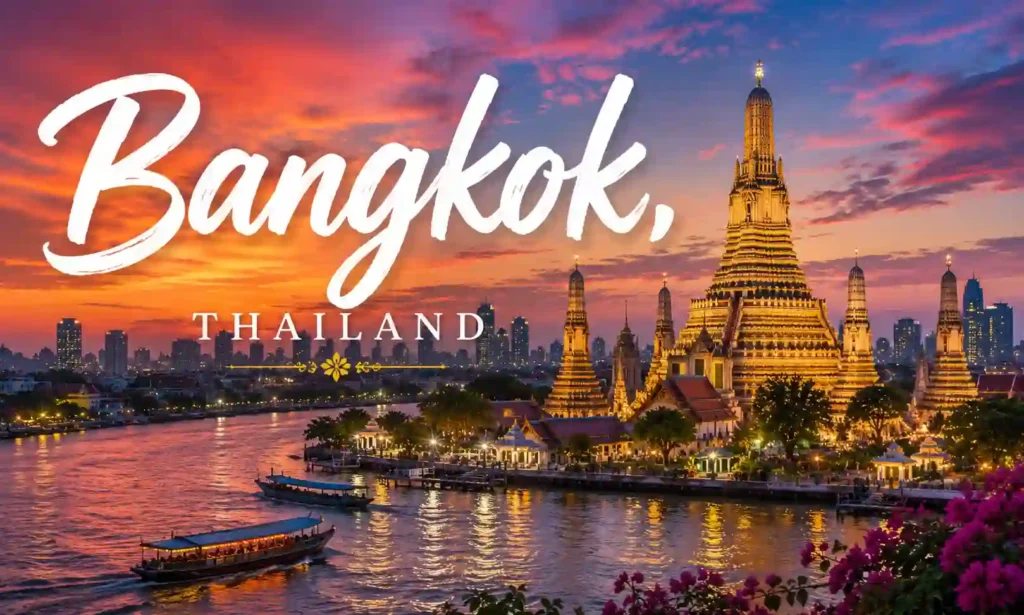
Bangkok is one of Asia’s most visited cities, offering a mix of ornate temples, bustling street markets, and a legendary food scene, all at a very accessible price point. It also works well as a gateway to Thailand’s islands and northern regions.
Things to do: Visit the Grand Palace and Wat Pho’s giant reclining Buddha, explore the Chatuchak Weekend Market, take a boat tour along the Chao Phraya River, and join a street food tour through Chinatown.
How to reach from India: Direct flights connect most major Indian cities to Bangkok’s Suvarnabhumi or Don Mueang airports, with flight times of around 3.5 to 4.5 hours.
Best time to visit: November to February, during Thailand’s cool and dry season, is the most comfortable time to explore the city.
Budget: A 5 to 6 day trip, including mid-range hotels, local transport, food, and sightseeing, typically costs Rs. 40,000 to Rs. 60,000 per person, excluding international flights.
4. Siem Reap, Cambodia

Siem Reap is the gateway to Angkor Wat, the largest religious monument in the world and one of Asia’s most iconic sites. Beyond the temples, the town itself has grown into a laid-back hub with a lively night market scene.
Things to do: Watch sunrise over Angkor Wat, explore the tree-engulfed ruins of Ta Prohm, visit Angkor Thom and the Bayon temple’s carved stone faces, and browse Siem Reap’s Pub Street and night markets.
How to reach from India: Most travelers fly via Bangkok, Singapore, or Kuala Lumpur to Siem Reap International Airport, with total travel time usually around 7 to 9 hours including a layover.
Best time to visit: November to February offers cooler, drier weather that’s ideal for temple exploring, which involves a fair amount of walking outdoors.
Budget: A 4 to 5 day trip, including hotels, temple pass fees, a guide, and meals, typically costs Rs. 35,000 to Rs. 55,000 per person, excluding international flights.
5. Bhutan

Bhutan offers something increasingly rare in Asia: a country that has deliberately limited mass tourism to protect its culture and environment. The result is a peaceful, deeply Buddhist kingdom of monasteries, forested mountains, and dramatic valleys, largely untouched by commercial development.
Things to do: Hike up to the cliffside Tiger’s Nest Monastery (Paro Taktsang), explore the fortress-monasteries (dzongs) in Thimphu and Punakha, and experience traditional archery, Bhutan’s national sport.
How to reach from India: Direct flights connect Delhi, Kolkata, and Guwahati to Paro, Bhutan’s only international airport. Indian nationals can also enter by road via Jaigaon in West Bengal, and do not require a visa, only a permit arranged in advance.
Best time to visit: March to May and September to November offer the clearest mountain views and most pleasant temperatures.
Budget: Bhutan requires a Sustainable Development Fee for foreign tourists (discounted for Indian nationals), on top of regular trip costs. A 5 day trip including flights within the region, stays, and the fee typically costs Rs. 50,000 to Rs. 80,000 per person for Indian travelers.
Quick Comparison of Top 5 Places to Visit in Asia
| Destination | Known For | Ideal Trip Length | Best Time to Visit |
|---|---|---|---|
| Bali, Indonesia | Beaches, temples, rice terraces | 5 to 7 days | April to October |
| Tokyo, Japan | Culture, technology, food | 6 to 8 days | March to May, October to November |
| Bangkok, Thailand | Temples, markets, street food | 4 to 6 days | November to February |
| Siem Reap, Cambodia | Angkor Wat, ancient ruins | 3 to 5 days | November to February |
| Bhutan | Monasteries, mountains, culture | 4 to 6 days | March to May, September to November |
Frequently Asked Questions
Which Asian country is best for a first-time visitor?
Thailand is often considered the easiest entry point into Asia, thanks to its strong tourism infrastructure, affordability, and wide range of experiences from cities to beaches.
Do Indian citizens need a visa for these destinations?
Indonesia, Thailand, and Cambodia offer visa-on-arrival or e-visa options for Indian passport holders. Japan requires a standard tourist visa arranged in advance. Bhutan does not require a visa for Indian nationals, only a travel permit.
Which of these destinations is the most budget-friendly?
Bangkok and Siem Reap tend to be the most affordable, with comfortable trips possible for significantly less than a similar trip to Japan.
Is Bhutan expensive to visit?
It can be, due to the Sustainable Development Fee, though the rate for Indian nationals is considerably lower than for other foreign tourists, making it more accessible than many assume.
Conclusion
These five destinations barely scratch the surface of what Asia has to offer, but they represent some of the continent’s most complete travel experiences: Bali’s blend of nature and spirituality, Tokyo’s balance of tradition and innovation, Bangkok’s affordability and energy, Siem Reap’s ancient wonder, and Bhutan’s untouched calm. Whichever one you start with, each makes a strong case for why Asia remains one of the most rewarding regions in the world to explore.
For such type of informative post must visit: theasianplaces.com/