

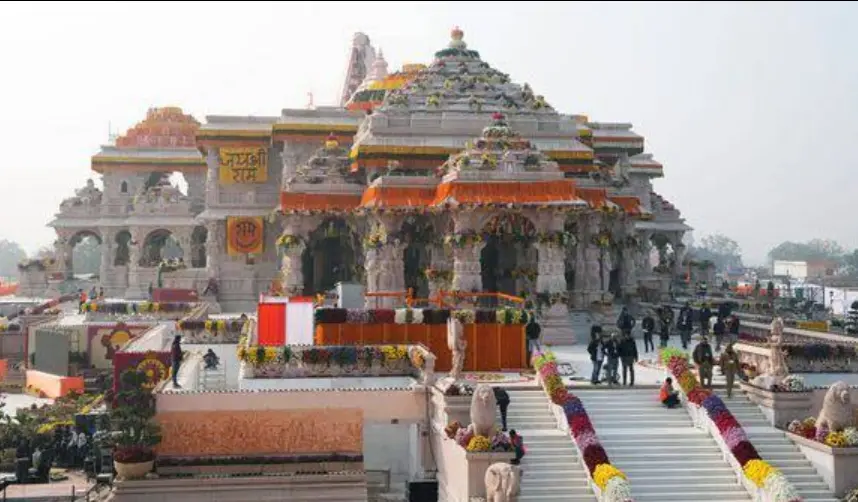
Ever since the Pran Pratishtha ceremony in January 2024, Shri Ram Janmabhoomi Mandir in Ayodhya has turned into one of the most visited pilgrimage sites in the country, with lakhs of devotees arriving every month to seek the blessings of Ram Lalla. Given how much attention the temple gets, it is only natural that one of the most searched questions is about the ticket price. The short answer is reassuring: there is no ticket price for darshan at Ram Mandir. In this article we will know all about the Ayodhya Ram Mandir Ticket Price, Darshan, booking, timing and more.
Location and Address
| Detail | Information |
|---|---|
| Full Name | Shri Ram Janmabhoomi Mandir |
| Location | Ram Janmabhoomi Site, Ayodhya, Uttar Pradesh |
| Managed By | Shri Ram Janmabhoomi Teerth Kshetra Trust |
| Inauguration Date | 22 January 2024 (Pran Pratishtha ceremony) |
| Nearest City | Ayodhya, well connected to Lucknow and other major cities in Uttar Pradesh |
The temple sits at the heart of Ayodhya, at the site believed to be the birthplace of Lord Ram, and forms the centerpiece of a larger temple complex that continues to be developed as pilgrim footfall keeps growing.
Ayodhya Ram Mandir Ticket Price
| Type of Darshan or Pass | Price |
|---|---|
| General Darshan | Free |
| Sugam Darshan (commonly called VIP Pass) | Free |
| Shringar Aarti Pass | Free |
| Sandhya Aarti Pass | Free |
| Other Aarti Passes | Free |
There is genuinely no paid ticketing system in place for entering the temple or having darshan of Ram Lalla. The term VIP darshan gets thrown around a lot online, but the actual facility being referred to is called Sugam Darshan, and it is simply a free, slot based e-pass that helps devotees skip the longer general queue. It is not a separate paid tier of access.
Important Scam Warning
Because the temple is so popular and searches for terms like Ram Mandir VIP ticket price are extremely common, a number of unofficial websites and agents have started charging money for what is, in reality, a free pass. If you come across anyone offering a paid VIP darshan ticket, a special entry fee, or an exclusive booking service that charges beyond basic transport or guide fees, treat it as a red flag.
The trust has repeatedly and publicly clarified that all forms of entry, general darshan, Sugam Darshan and Aarti passes, are completely free of cost. The only safe and reliable place to book any pass is the official portal run by the Shri Ram Janmbhoomi Teerth Kshetra Trust.
How to Book Sugam Darshan and Aarti Passes
Even though there is no cost involved, booking a slot in advance is still worth doing, especially if you want to avoid standing in a long general queue.
| Step | Detail |
|---|---|
| Step 1 | Visit the official trust website at online.srjbtkshetra.org |
| Step 2 | Select the date and time slot you wish to visit |
| Step 3 | Enter your mobile number and details for all devotees in your group |
| Step 4 | Confirm the booking and save the e-pass |
| Step 5 | Carry a printed or digital copy of the pass along with a valid ID on the day of your visit |
A single mobile number can be used to book a pass covering up to 8 devotees, and children below 10 years of age do not need a separate pass of their own. Slots for Sugam Darshan and Aarti passes typically open around 10 to 15 days ahead of the visit date, so it helps to plan your trip a little in advance rather than trying to book at the last minute.
If online slots are unavailable, especially during a rush period, visitors can also approach the official counters near the temple for assistance, though this usually means a longer wait compared to a pre-booked slot.
Who Sugam Darshan Is Especially Useful For
Sugam Darshan was designed with crowd management in mind, and it tends to be particularly helpful for certain groups of visitors.
| Visitor Category | Why Sugam Darshan Helps |
|---|---|
| Senior Citizens | Reduces time spent standing in long queues |
| Differently Abled Visitors | Smoother, assisted entry through a dedicated gate |
| Pregnant Women | Avoids prolonged standing and crowd pressure |
| Families with Young Children | Faster movement through the darshan process |
| Devotees Visiting on Weekends or Festivals | Cuts waiting time significantly compared to general queues |
Temple and Darshan Timings
| Activity | Timing |
|---|---|
| General Darshan (Morning Session) | 7:00 AM to 11:30 AM |
| General Darshan (Afternoon and Evening Session) | 2:00 PM to 7:00 PM |
| Shringar Aarti | Around 6:30 AM |
| Sandhya Aarti | Around 7:30 PM |
Timings can shift slightly around major festivals such as Ram Navami, Diwali and other significant religious dates, when the temple sees a sharp rise in visitor numbers. It is worth checking the official website closer to your travel date if you are planning your visit around any of these occasions.
Seva and Puja Options
Alongside regular darshan, the temple also allows devotees to take part in a few forms of seva and puja for a more personal spiritual experience.
| Seva Type | What It Involves |
|---|---|
| Aarti Participation | Joining the temple’s scheduled aarti rituals |
| Abhishek Puja | A ritual bathing ceremony performed for the deity |
| Path Readings | Recitation of religious texts as part of temple tradition |
| Annadanam Seva | Contribution towards the temple’s food donation programs |
Details, availability and any procedures for these sevas can change from time to time, so it is best to confirm current arrangements through the official trust channels before planning around a specific seva.
Entry Rules and What to Carry
Given the scale of security and crowd management involved, there are a few rules every visitor should keep in mind before heading to the temple.
- Mobile phones and other electronic gadgets are generally not allowed inside the temple premises.
- Carrying a valid government issued ID, such as an Aadhaar card or PAN card, is recommended, especially if you have booked a Sugam Darshan slot.
- Locker or deposit facilities are usually available nearby for storing prohibited items like phones and bags.
- Visitors are expected to follow security checks and queue management instructions from temple staff and volunteers.
- Arriving early, particularly for the morning darshan session, tends to mean a shorter wait before the daily crowd builds up.
How to Reach Ayodhya
Ayodhya is well connected to major cities in Uttar Pradesh and beyond, making it accessible whether you are travelling by road, rail or air.
| Mode of Travel | Details |
|---|---|
| By Air | Maharishi Valmiki International Airport, Ayodhya, connects to several major Indian cities |
| By Rail | Ayodhya Junction and Ayodhya Cantt railway stations serve as the main rail access points |
| By Road | Well connected to Lucknow and other nearby cities via state highways, with regular bus services available |
Many visitors also combine a Ram Mandir visit with other nearby religious sites in Ayodhya, such as Hanuman Garhi and Kanak Bhavan, often as part of a single day trip from Lucknow.
Nearby Places to Visit
Since you are already in Ayodhya, it is worth setting aside time for a few other significant sites in the city.
| Place | Significance |
|---|---|
| Hanuman Garhi | A prominent temple dedicated to Lord Hanuman, considered an important stop for most pilgrims |
| Kanak Bhavan | Associated with Sita and known for its ornate architecture |
| Guptar Ghat | Believed to be the site connected to Lord Rama’s final sacred bath on the Sarayu river |
Combining these stops with your Ram Mandir visit gives you a fuller picture of Ayodhya’s religious significance in a single trip.
Best Time to Visit
Weekdays generally see smaller crowds compared to weekends, and mornings tend to be calmer than the afternoon and evening sessions. If your schedule allows flexibility, avoiding major festival dates like Ram Navami and Diwali will make for a noticeably more relaxed darshan experience, since these periods bring in the largest surge of pilgrims from across the country.
Frequently Asked Questions
Is there an entry fee for Ram Mandir darshan?
No, general darshan at Ram Mandir is completely free for all devotees.
What is the Ram Mandir VIP ticket price?
There is no VIP ticket price. The facility commonly called VIP darshan is actually Sugam Darshan, and it is a free e-pass booked through the official trust website.
How do I book a Sugam Darshan pass?
You can book it online at online.srjbtkshetra.org by selecting your preferred date and time slot, entering your mobile number and details for your group, and downloading the confirmed e-pass.
Can one person book a pass for a group?
Yes, a single mobile number can be used to book a Sugam Darshan pass for up to 8 devotees, and children under 10 do not need a separate pass.
Are there any legitimate paid options for faster darshan?
No, all forms of darshan and passes offered by the official trust are free. Any website or agent charging money specifically for a Ram Mandir ticket or VIP pass should be treated with caution.
What are the temple’s darshan timings?
Darshan is generally available from 7:00 AM to 11:30 AM and again from 2:00 PM to 7:00 PM, with timings subject to change during festivals.
Conclusion
The most important thing to remember about Ayodhya Ram Mandir ticket prices is that there really are none. Whether you opt for general darshan or book a free Sugam Darshan slot in advance, you will not need to pay anything to have darshan of Ram Lalla. The only real preparation involved is booking your slot ahead of time through the official trust website, carrying a valid ID, and planning your visit around the temple’s timings, so you can focus on the experience itself rather than worrying about tickets or unnecessary charges.
Also read: Wet n Joy Ticket Price: Complete Guide to Entry Fees, Timings and Rides
1 thought on “Ayodhya Ram Mandir Ticket Price: Complete Guide to Darshan, Booking and Timings”